Dormant accounts, recycled groups, AI-generated videos… These new strategies for electoral manipulation are causing concern in Europe.
In the digital age, attempts at destabilization pose a significant challenge to the integrity of public debate. The European Economic and Social Committee has examined the new electoral manipulation strategies emerging on social media.
This piece was first published in CNEWS.fr, which is the official digital portal and live-streaming hub for CNEWS, a major French 24-hour national news television channel owned by the Canal+ Group.
It is republished here to further amplify its message.
As several elections approach across Europe, new strategies for electoral manipulation are emerging, fueled by the rise of social media and artificial intelligence. This is a cause for concern for the European Economic and Social Committee, which addressed the issue at a seminar held on July 6 and 7 in Sofia, Bulgaria.
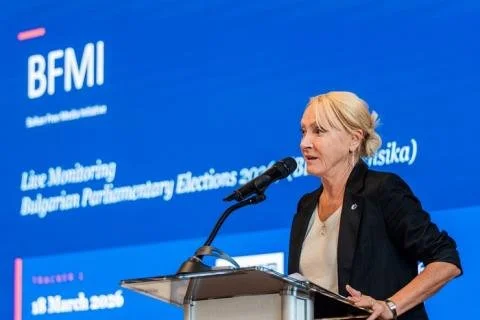
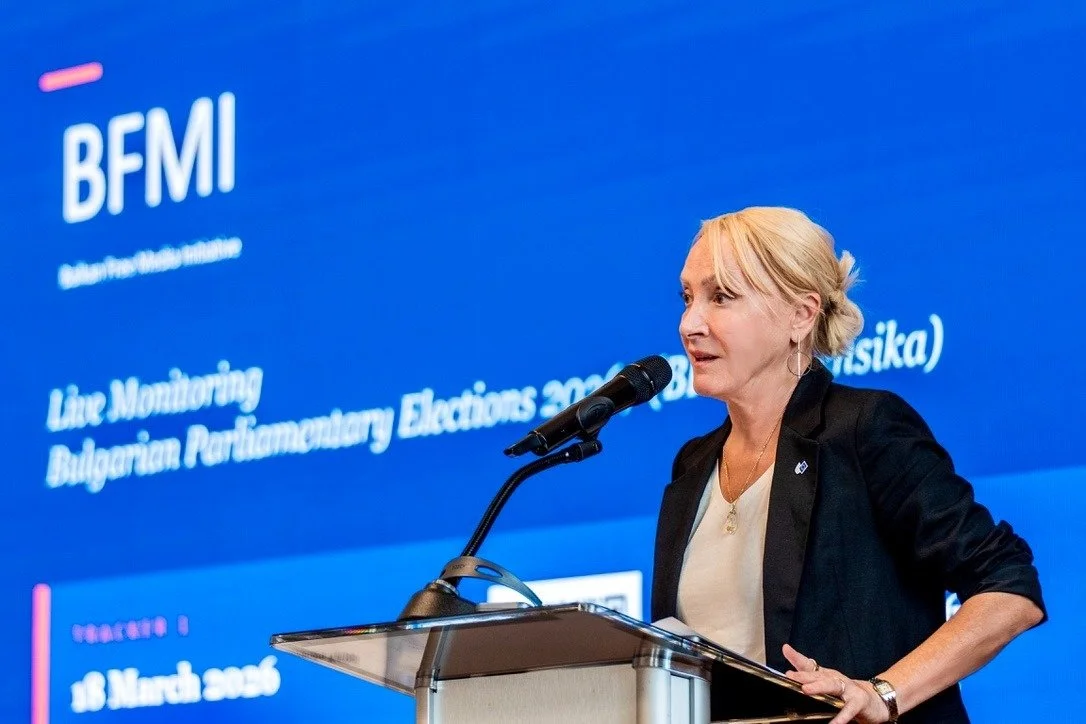
Numerous data points were discussed during this event, including the work provided by the Balkan Free Media Initiative, an independent organization based in Brussels. This initiative focused in particular on the cases of Romania and Bulgaria, two European countries especially vulnerable to destabilization attempts via social media.
The Balkan Free Media Initiative has observed the widespread use of reactivated dormant accounts, renamed groups, and repurposed hashtags—all strategies aimed at influencing public opinion. "The main platform on which all this has unfolded is TikTok," stated the organization's director, Antoinette Nikolova, as quoted by the website Toute l'Europe. She also noted that Telegram and Instagram were among the platforms monitored.
Dormant accounts suddenly reactivated
The Bulgarian parliamentary elections of April 2026 offer a concrete illustration of the modus operandi observed by the organization. Even before the start of the electoral period, a little-known political actor emerges in the digital space.
As the election approaches, previously inactive accounts begin to publish content on social media concerning this candidate or political project.
Another manipulation strategy involves renaming an existing group. On social media, some communities organize themselves around common topics. The Balkan Free Media Initiative has observed that some of these groups have been suddenly renamed in anticipation of an election in order to be redirected towards a political objective.
This tactic allows members of the same community to be exposed to "political communication which was not the initial reason for their joining the group," explained Antoinette Nikolova.
The case of "hashjacking"
The Balkan Free Media Initiative has also documented cases of "hashjacking" on social media. Specifically, certain popular keywords or hashtags are repurposed to promote other content. In the context of an election, this can be used to saturate keywords related to candidates with hostile or irrelevant content.
The recent rise of artificial intelligence is causing particular concern among European authorities. In Hungary, content generated using this technology was widely disseminated on social media in the context of the parliamentary elections of April 2026.
Fake videos have circulated of Péter Magyar, the rival of former Prime Minister Viktor Orbán, showing him with soiled trousers, locked in a straitjacket or dragged like a dog on a leash.
In France, the 2027 presidential election is fast approaching. Faced with the growing threat of disinformation, the Senate's Culture Committee has launched an information mission on the "grey areas of information in the digital space".
In its report, published on Wednesday, July 8, the commission notably recommends the creation of an "independent disinformation observatory" before the election. A bill could be introduced as early as the end of the summer.
P.S. This article was originally published in French and has been translated into English.
Our readers read next: